

Summarize this article with AI Open a summary of this article in your preferred assistant
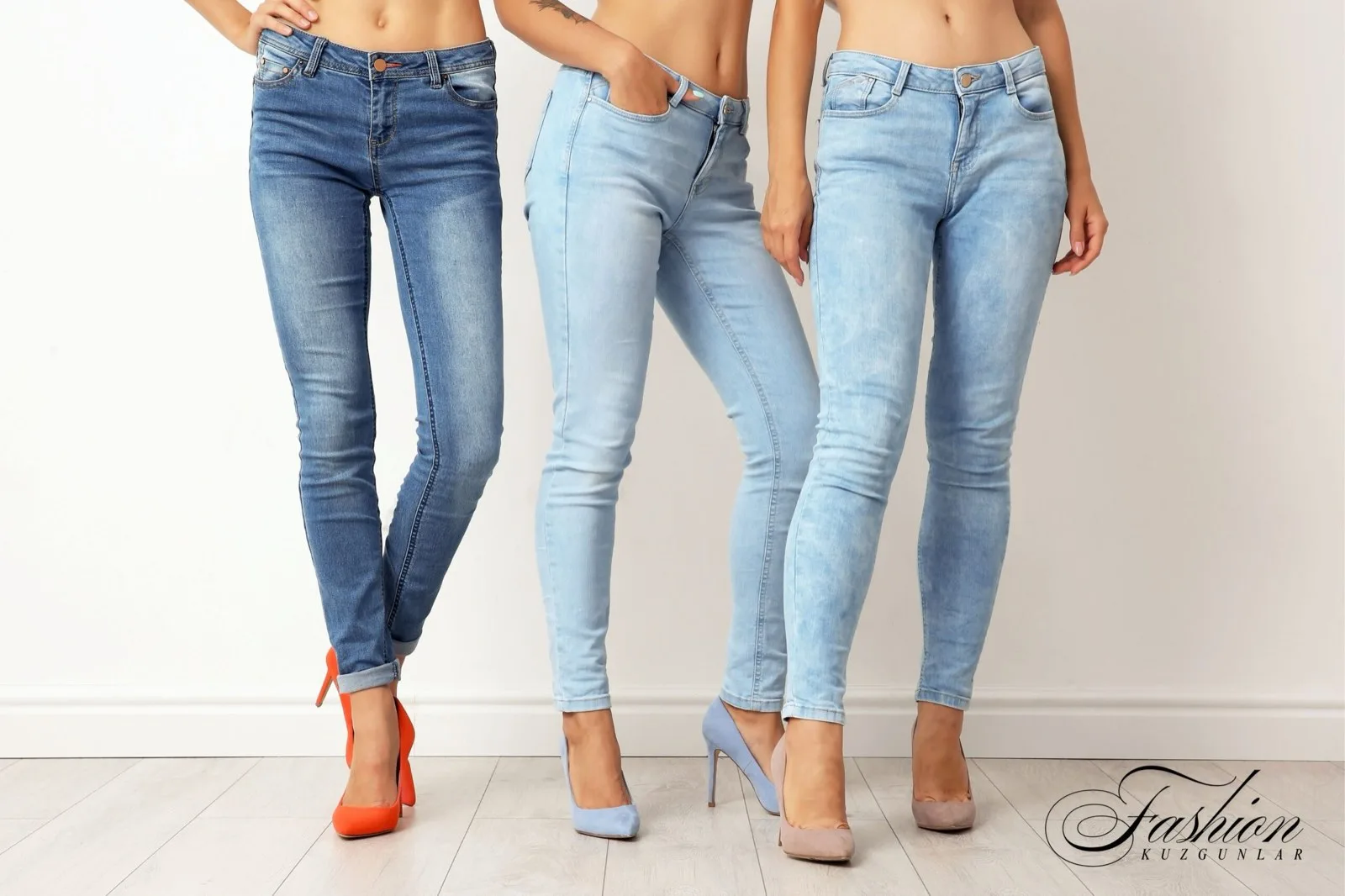
Men's and women's jeans differ mostly in the pattern. Women's patterns usually have a larger difference between waist and hip, a more shaped seat and often a contoured waistband; men's patterns are straighter through the hip with more room in the front rise and thigh. Stretch content, pocket depth, fly direction and the sizing system also differ by brand and market.
The main difference between men's and women's jeans is the pattern. Women's jeans are usually cut with a larger difference between waist and hip and a more shaped seat; men's jeans are straighter through the hip with more room in the front rise and thigh. Fabric stretch, pockets and sizing often differ too.
Pattern: waist, hip and seat
A jeans pattern is built around a few key measurements: waist, hip, front and back rise, thigh, knee, leg opening and inseam. Women's patterns typically allow for a bigger waist-to-hip difference and a curved back seam that follows the seat. Men's patterns usually run straighter from waist to hip and give more space at the front rise and upper thigh. The same fit name — "slim" or "straight" — can therefore mean quite different shapes in a men's and a women's line.
Rise and waistband
High-rise styles are far more common in women's ranges, while men's jeans are usually mid-rise. To stop the back of the waistband from gaping, many women's jeans use a contoured (curved) waistband or a deeper back yoke; men's waistbands are more often straight. Rise is one of the first measurements to agree on when you develop a sample.
Fabric and stretch
Skinny and high-waisted women's styles generally use stretch denim with elastane so the jeans can fit closely and recover their shape. Men's jeans more often use rigid denim or a light comfort stretch. The stretch level changes the pattern: a high-stretch fabric is cut with less ease than a rigid one, so the fabric should be chosen before the pattern is finalised.
Pockets, fly and details
- Front pockets: women's jeans often have shallower front pockets because of the shorter rise and closer fit; men's pockets are usually deeper.
- Fly direction: by tradition, women's garments close right over left and men's left over right. On jeans many brands now use the same fly for both, so specify it in the tech pack.
- Back pockets: size and placement are adjusted to the seat shape — on women's jeans they are often smaller and angled.
- Trims: button and rivet sizes, label positions and stitching colour are design choices and can be the same or different for each line.
Sizing systems
Men's jeans are commonly sized by waist and inseam in inches (for example W32 L32). Women's jeans use waist sizes in some markets and numeric dress sizes in others, such as US or EU sizes. If you sell in several countries, agree on one size chart with all key measurements and keep it as the reference for sampling and quality control.
Men's and women's jeans at a glance
| Feature | Men's jeans (typical) | Women's jeans (typical) |
|---|---|---|
| Waist to hip | Straighter line | Larger difference, shaped seat |
| Rise | Mostly mid-rise | Low to high rise, high rise common |
| Waistband | Usually straight | Often contoured to avoid gaping |
| Fabric | Rigid or comfort stretch | Often stretch denim with elastane |
| Front pockets | Deeper | Often shallower |
| Sizing | Waist and inseam (inches) | Waist or numeric sizes, by market |
Producing both lines, or unisex jeans
Unisex jeans are possible, but a single pattern has to work across a wider range of body shapes, so the size range and grading need extra care. Most brands keep separate men's and women's patterns and share fabrics, washes and trims across both lines to keep minimum orders efficient. Whatever you choose, these details belong in the tech pack:
- A size chart with waist, hip, front and back rise, thigh, knee, leg opening and inseam.
- Fabric weight and stretch content.
- Fly direction, pocket depth and pocket placement.
- Wash standard and trims for each line.
Read more about how jeans are produced, or see the fits we make in our men's jeans and women's jeans collections.
Producing with Kuzgunlar Textile
Kuzgunlar Textile manufactures jeans, denim shirts and denim jackets for men and women in Gaziosmanpaşa, Istanbul, as private label production or to your own design. Our minimum order is 100–150 pieces per style, with samples in 7–10 days and bulk production in 3–5 weeks, depending on the order and approvals. See our collections or send us your brief.
Frequently asked questions
What is the main difference between men's and women's jeans?
The pattern. Women's jeans are usually cut with a larger waist-to-hip difference and a shaped seat; men's jeans are straighter through the hip with more room in the rise and thigh.
Can women wear men's jeans?
Yes. Men's jeans fit differently — usually straighter through the hip and lower in the rise — which is why relaxed "boyfriend" styles are popular in women's ranges.
Why do women's jeans have smaller pockets?
Front pockets are limited by the shorter rise and closer fit of many women's styles, so they are often shallower than men's pockets.
Can one pattern be used for unisex jeans?
It can, but the pattern and size range must cover more body shapes. Many brands keep separate men's and women's patterns and share fabrics, washes and trims.
0 comments
Leave a comment
Your comment will be published after review.