

Private Label Jeans Manufacturer
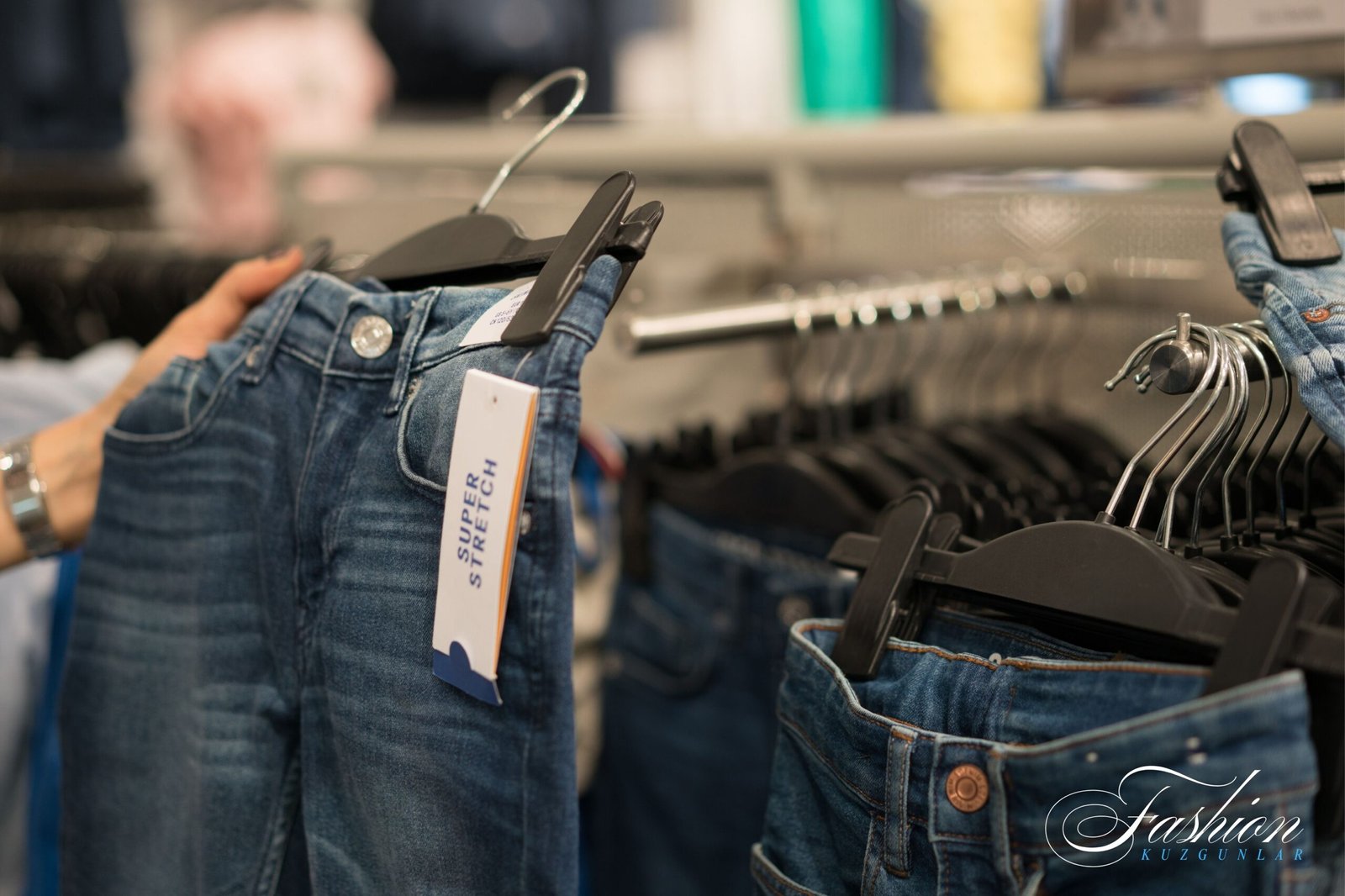
Private Label Jeans – Premium Custom Denim Manufacturing by Kuzgunlar
The global fashion industry continues to evolve, and more brands now seek private label jeans manufacturers that can deliver premium quality, unique designs, and reliable production. As a leading denim producer, Kuzgunlar offers complete end-to-end private label solutions for brands looking to launch or expand their own denim collections.
Our expertise in denim craftsmanship makes us the ideal partner for labels that demand excellence, consistency, and authenticity.
What Are Private Label Jeans?
Private label jeans are garments manufactured by a third-party producer but sold under your own brand name. This allows fashion businesses to create exclusive collections without maintaining an in-house factory.
At Kuzgunlar, we transform your ideas into high-quality denim pieces, ensuring each product aligns with your brand identity, target audience, and market standards.
From fabric selection and pattern development to custom washes, finishing techniques, labeling, and packaging, our private label service covers the entire production journey with precision and care.
Why Choose Private Label Jeans?
Choosing private label manufacturing offers several advantages, especially for brands focused on scalability and creative freedom:
- Lower production costs compared to operating your own facility
- Fast turnaround due to experienced infrastructure
- Full customization in design, wash, fit, and details
- Reliable quality through professional manufacturing standards
- Scalable production suitable for small and large brands alike
For fashion entrepreneurs, boutique owners, and established labels, private label jeans open the door to limitless design possibilities.
Kuzgunlar – A Trusted Partner in Private Label Denim Production
Kuzgunlar is recognized for its expertise in crafting premium-quality denim products.
With a modern production environment and a highly skilled team, we offer tailored private label jeans manufacturing for
men and women.
Our commitment to precision ensures that every piece reflects durability, comfort, and authentic denim character.
As a specialized denim producer, we understand the importance of fit, wash quality, fabric strength, and stitching accuracy.
Every pair of jeans we manufacture is engineered to meet international standards and long-term wear demands.
Our Private Label Jeans Manufacturing Capabilities
Kuzgunlar offers an extensive range of denim categories to support brands of all styles and concepts.
Our production includes:
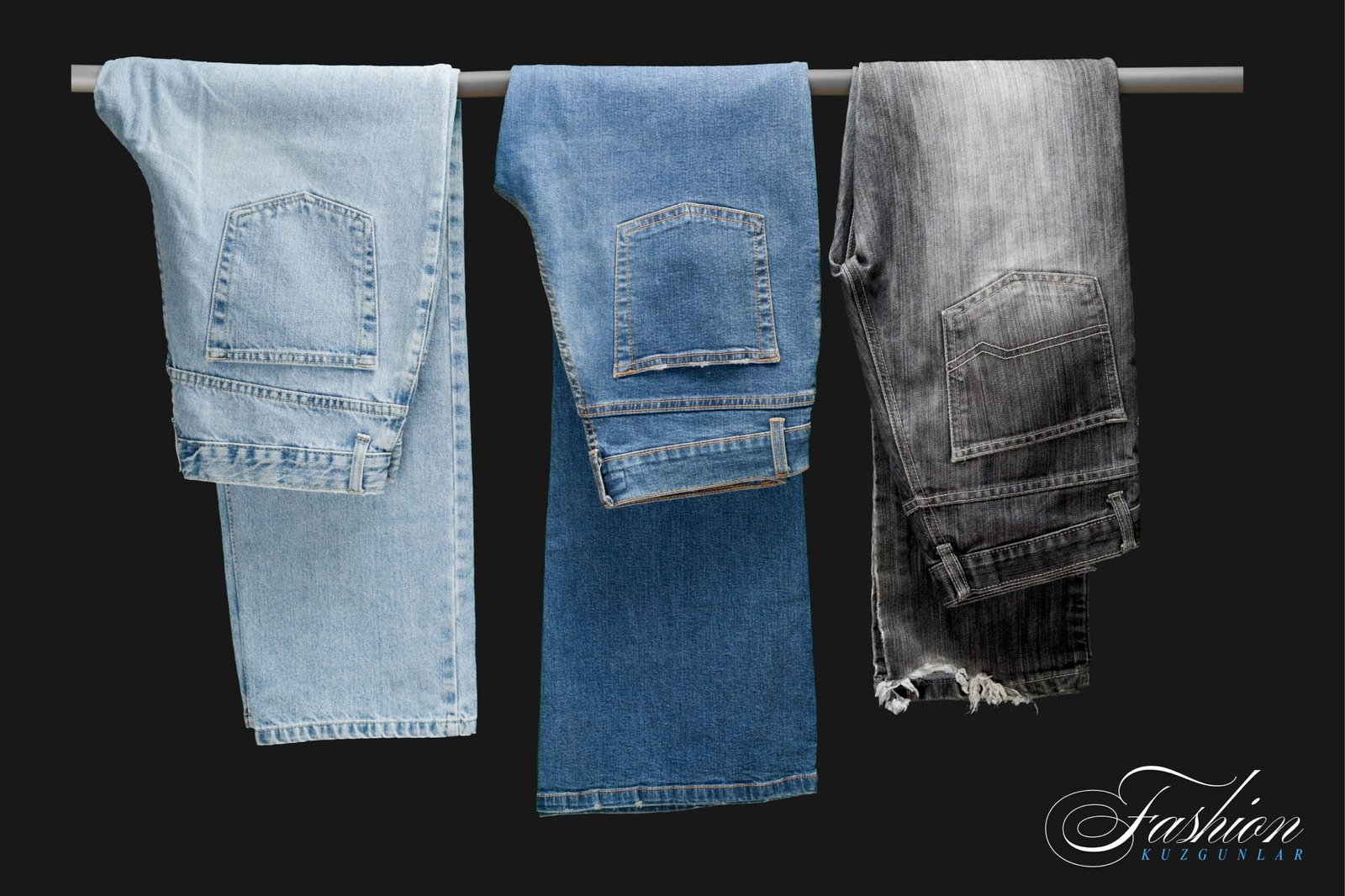
- Men’s Jeans – slim, straight, tapered, relaxed, bootcut
- Women’s Jeans – skinny, mom fit, boyfriend, flare, wide leg
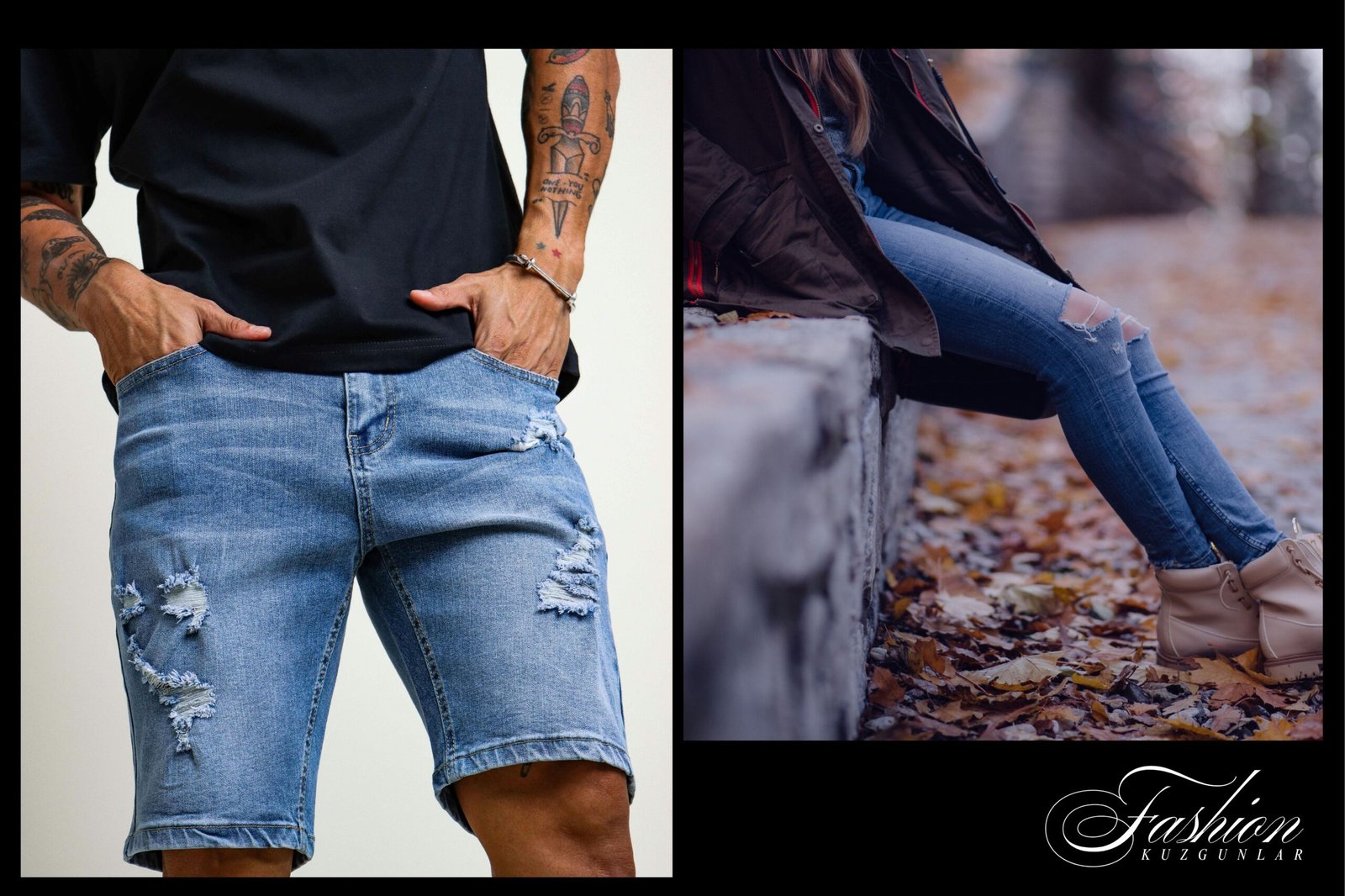
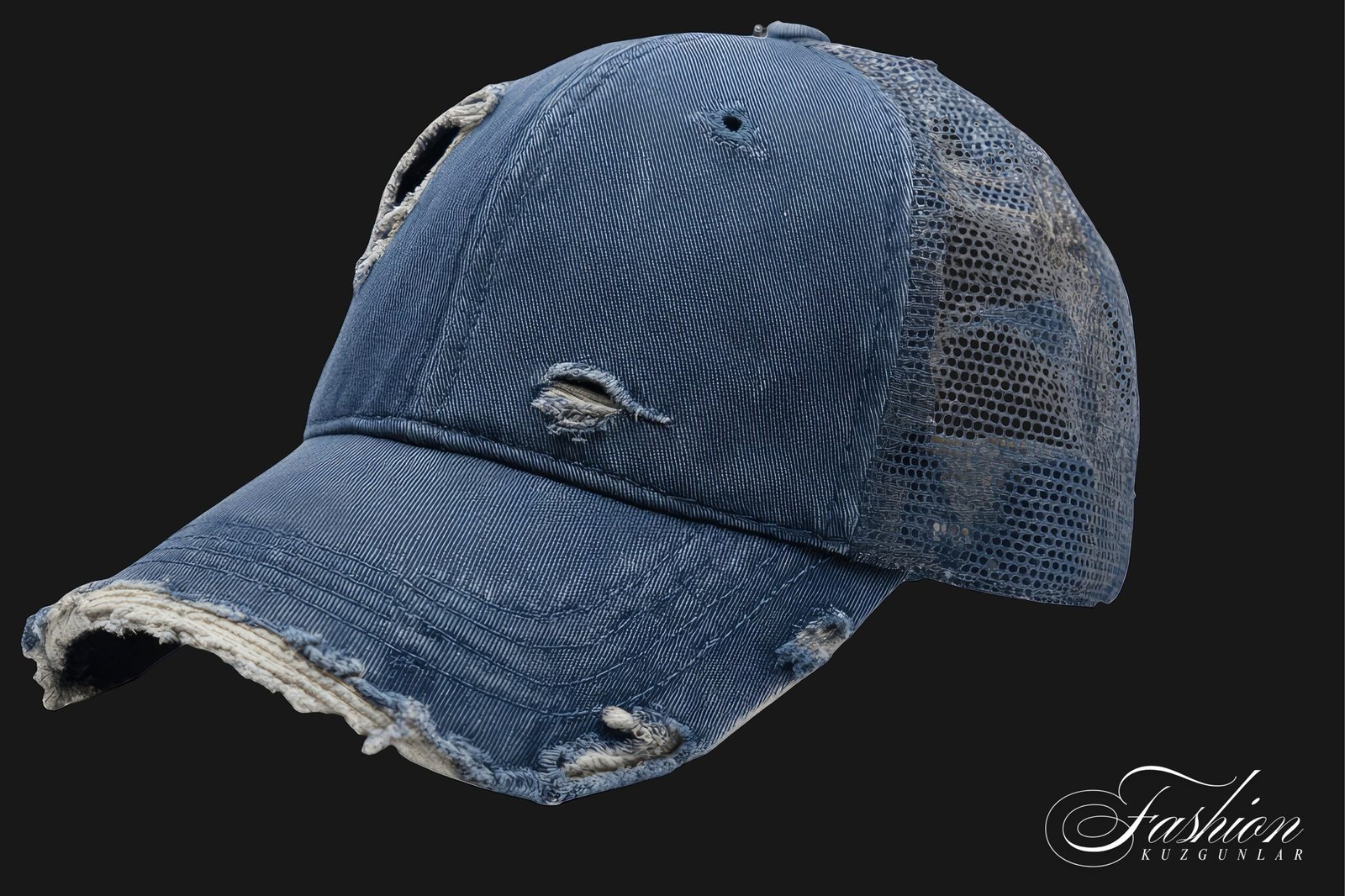
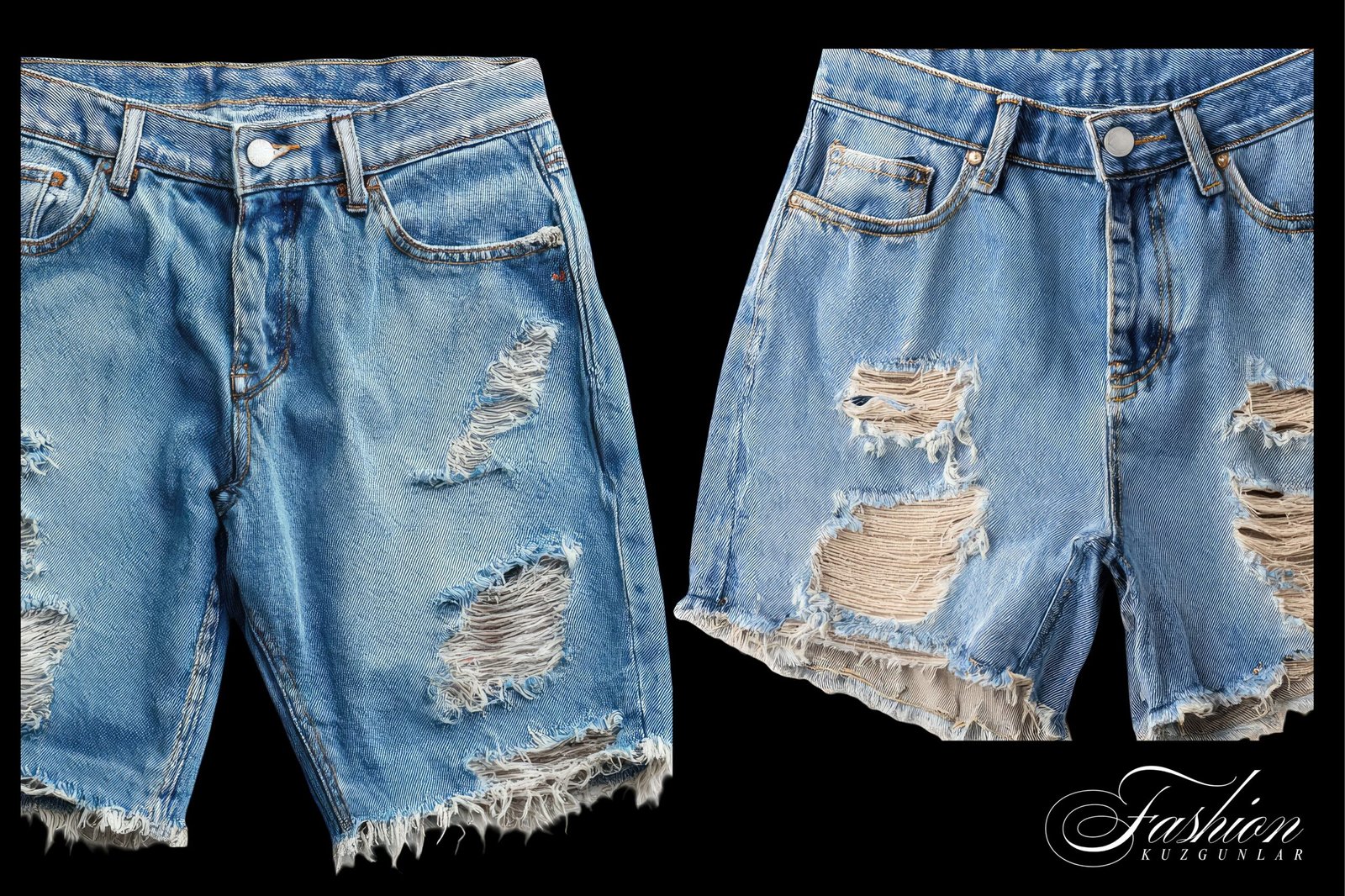
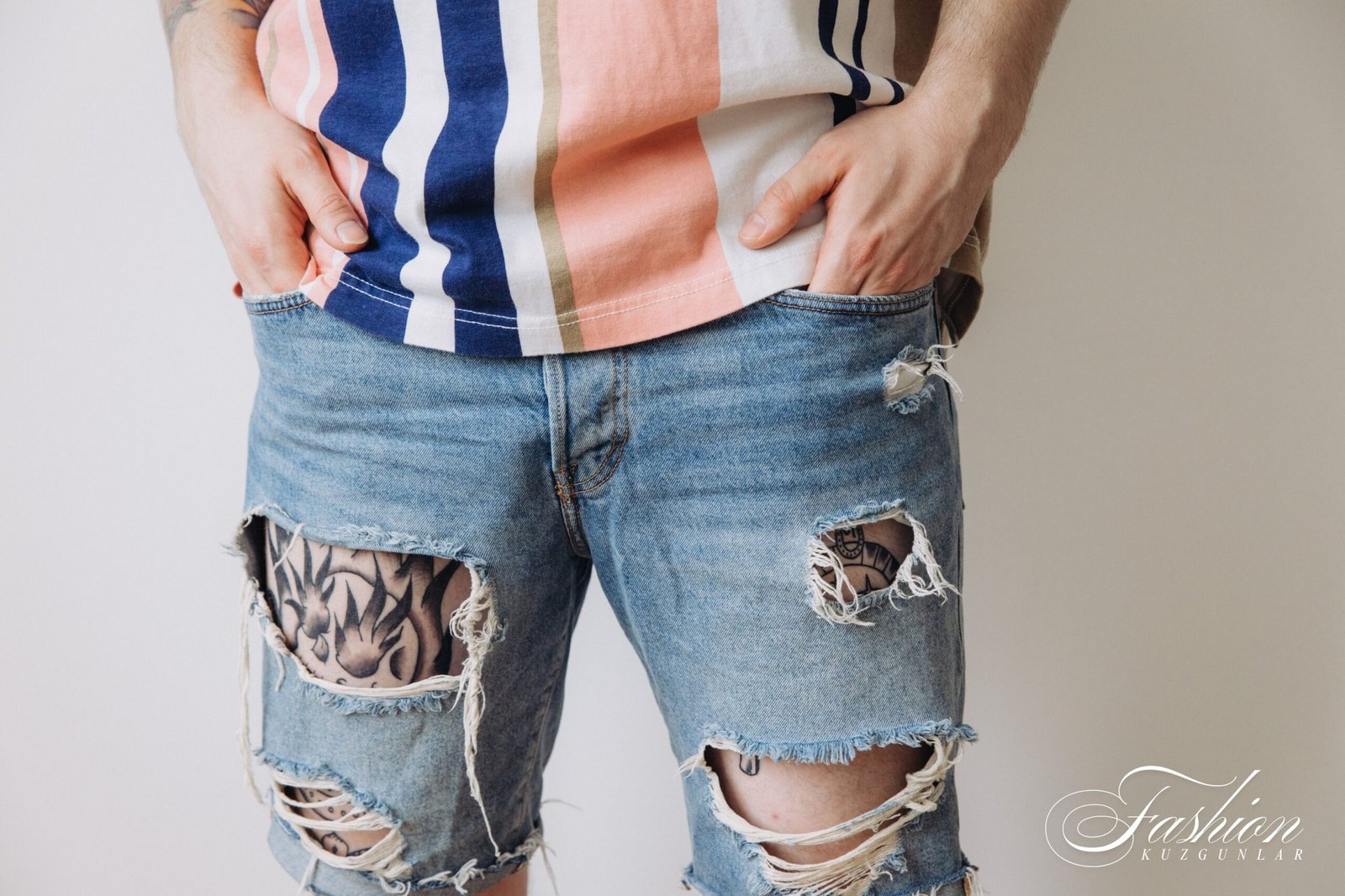
- Ripped & Distressed Jeans – handcrafted detailing and premium destruction
- Denim Shorts
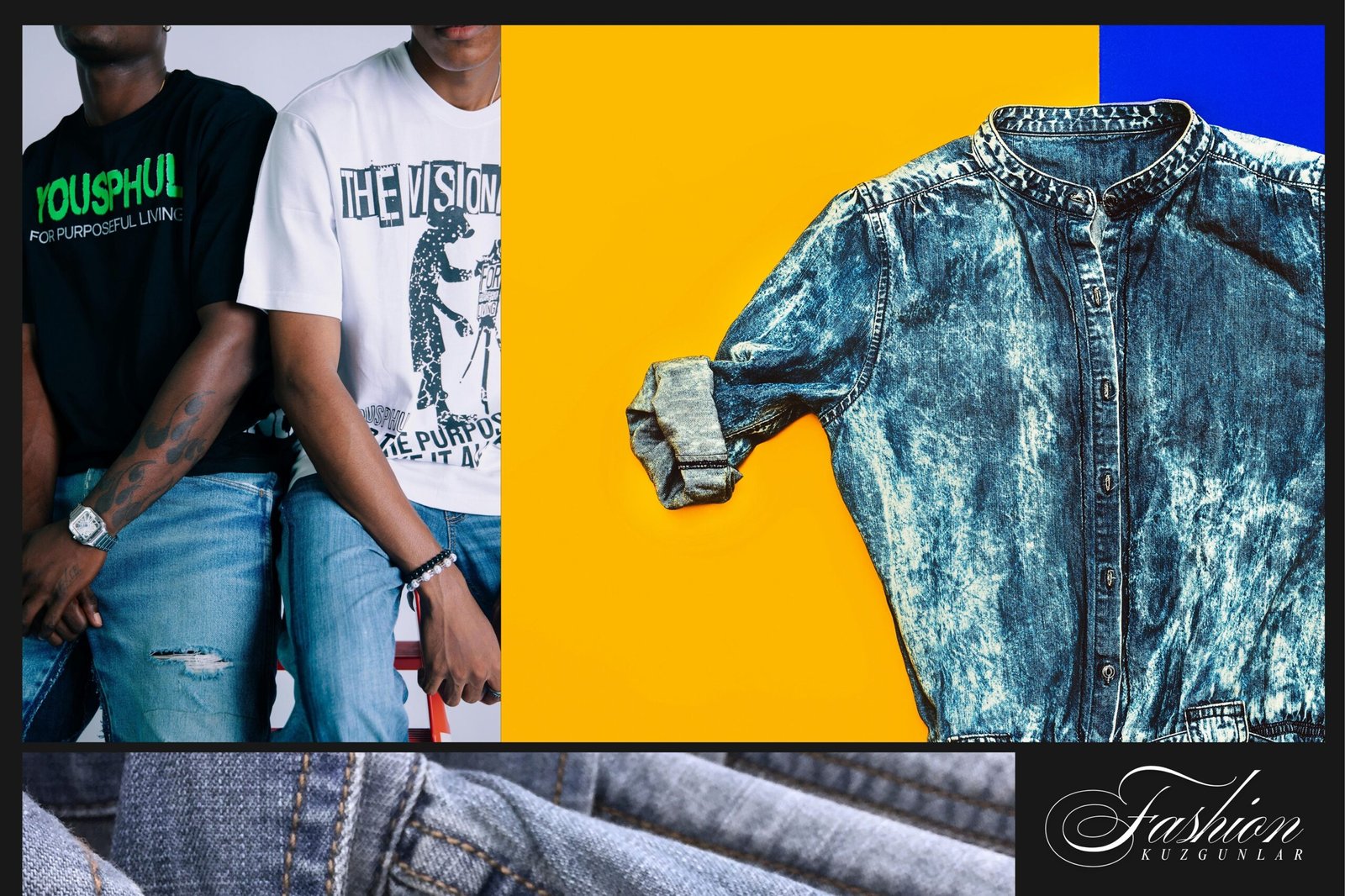
- Denim Jackets & Shirts
- High-stretch and comfort-fit denim
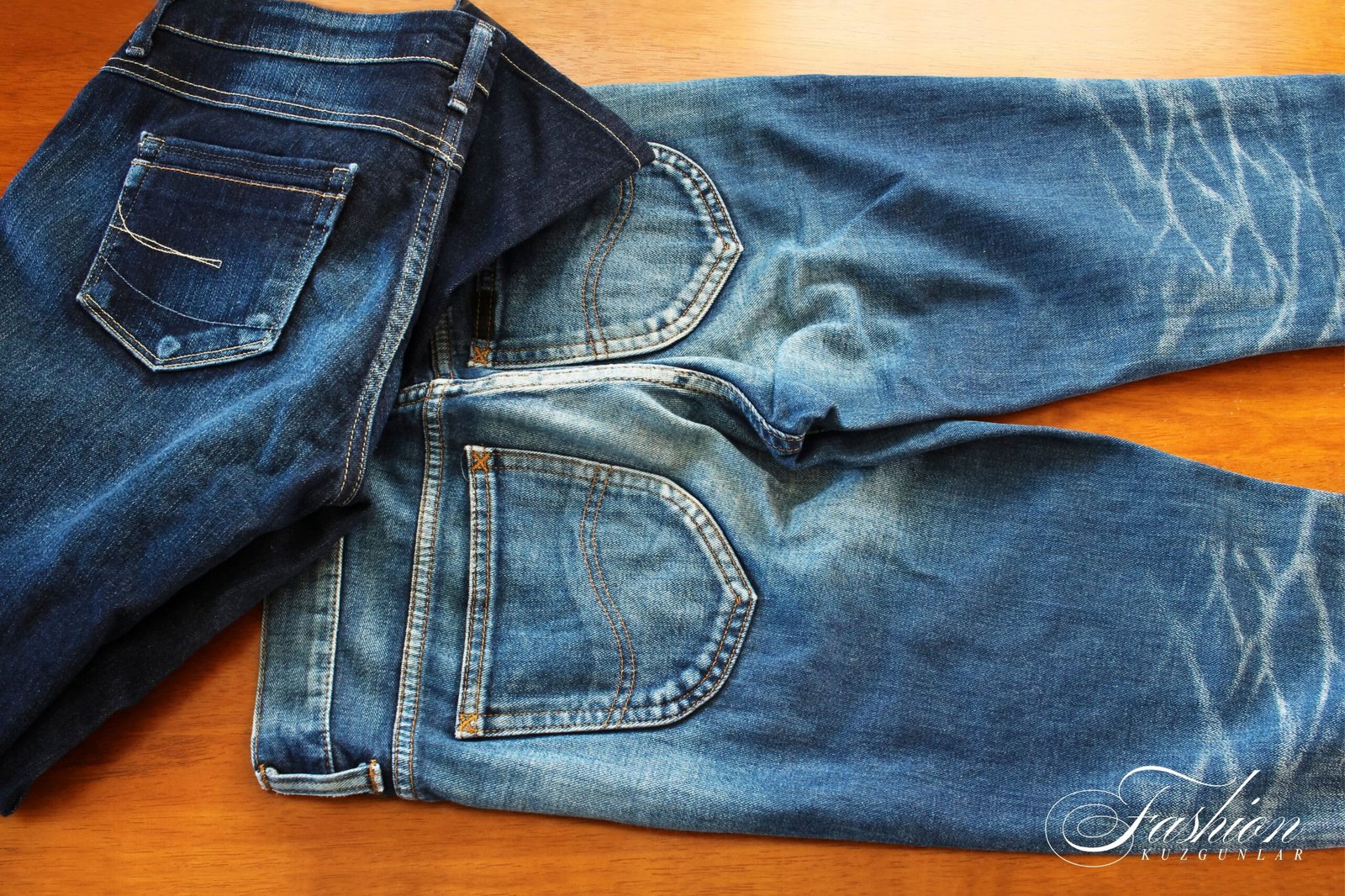
- Vintage and premium wash effects
Each product can be customized with fabric type, color tone, wash intensity, stitching style, hardware, trims, and branding elements.
The Private Label Development Process
We follow a clear and structured workflow to ensure smooth communication and perfect results for every order:
1. Idea & Concept Discussion
You share your vision, target market, and style expectations. Our team helps refine the concept and recommends fabric options.
2. Sampling & Prototyping
We prepare prototypes based on your specifications. Fit, wash, and overall design are adjusted until you are fully satisfied.
3. Production
Once samples are approved, full-scale production begins. Our experienced staff and advanced machinery guarantee consistency.
4. Quality Control
Each garment undergoes multiple inspection stages to ensure accuracy in stitching, measurements, wash quality, and finishing.
5. Packaging & Branding
Custom labels, hangtags, buttons, and packaging are added to complete the private label product.
6. Shipping
We organize global shipments, ensuring fast and secure delivery to your location.
Why Brands Trust Kuzgunlar for Private Label Jeans
Kuzgunlar is known for del
Kuzgunlar Textile



Manufacture of
